Gemstone Knowledge
Gem Wearability
An overview of gemstone durability — which gems hold up to daily wear?
Updated May 12, 2020
When you're designing a piece of fine jewelry, it's important to understand how the gems you choose will hold up to a lifetime of wear. We classify gems into four categories of wearability.
What is wearability?
We like to talk about the wearability of a gemstone, rather than focusing on just its hardness. That's because hardness is just one of the three characteristics that contributes to a gem's ability to hold up over time:
-
Hardness. The most-referenced measure of a gem's durability, hardness refers to a gemstone's scratch resistance. It's measured on the Mohs scale. Stones with a higher grade on the hardness scale will be able to scratch those below them. You likely know that diamond gets a perfect 10, which means it can't be scratched by a harder substance, and it can scratch just about every other gem. Take a look at our article on gem hardness to see how gems compare.
-
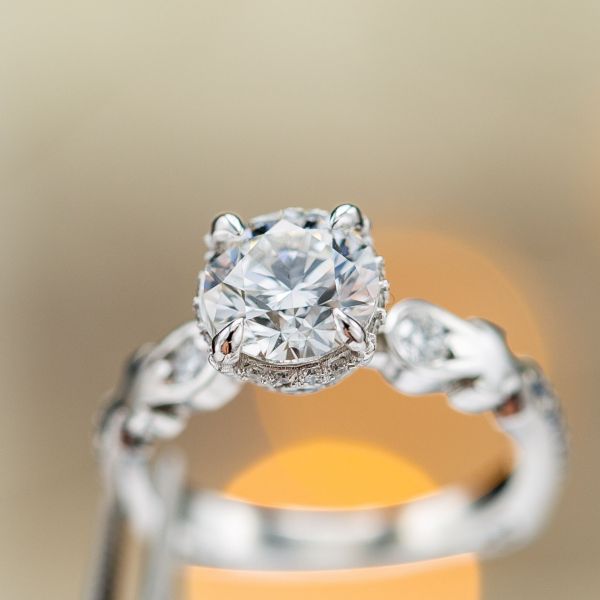
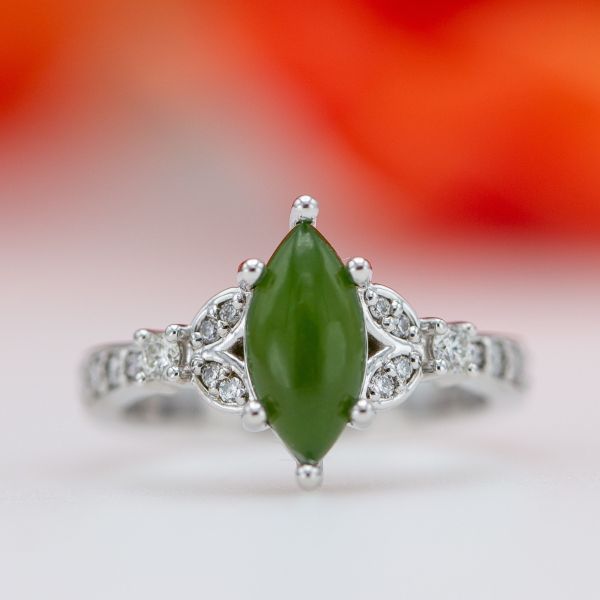
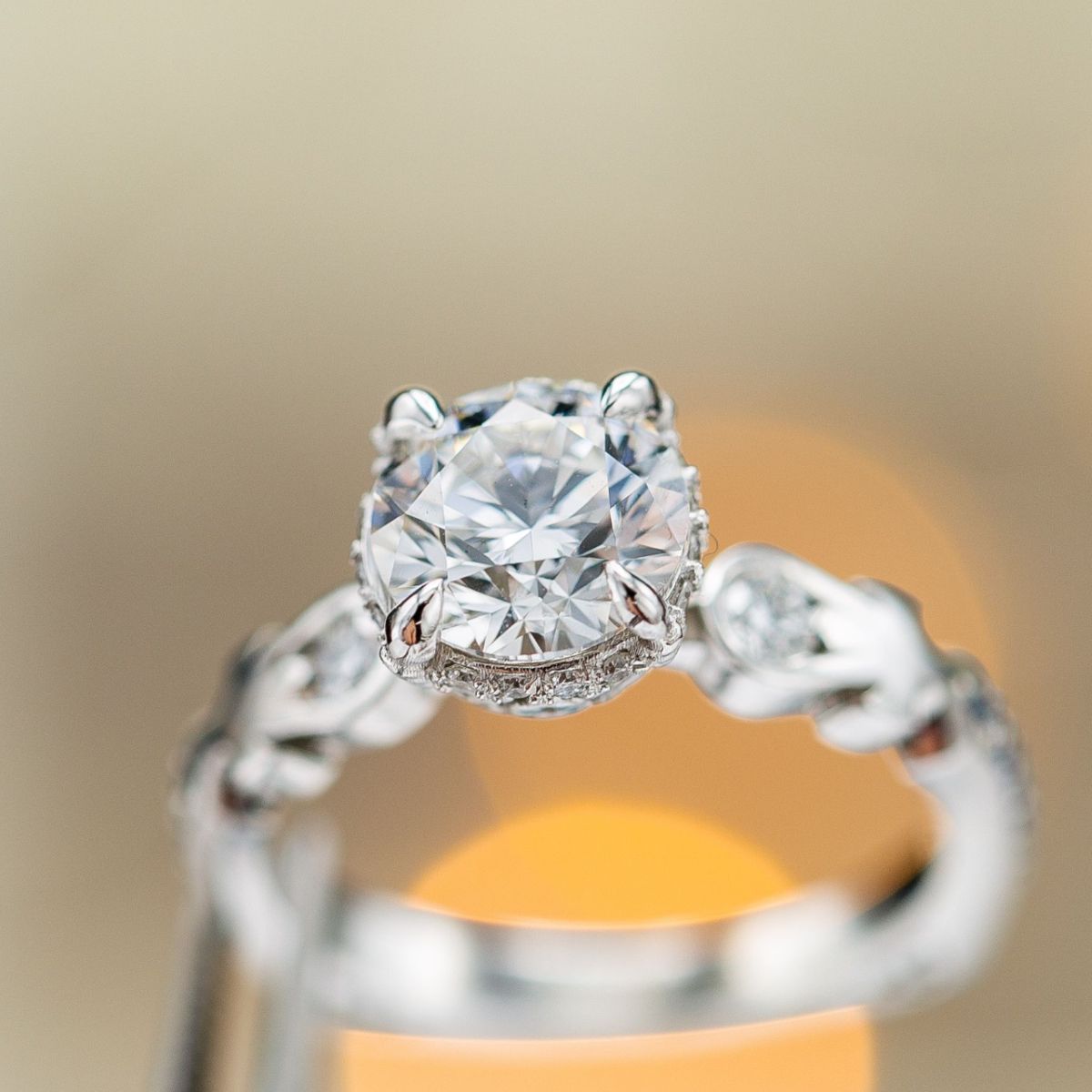
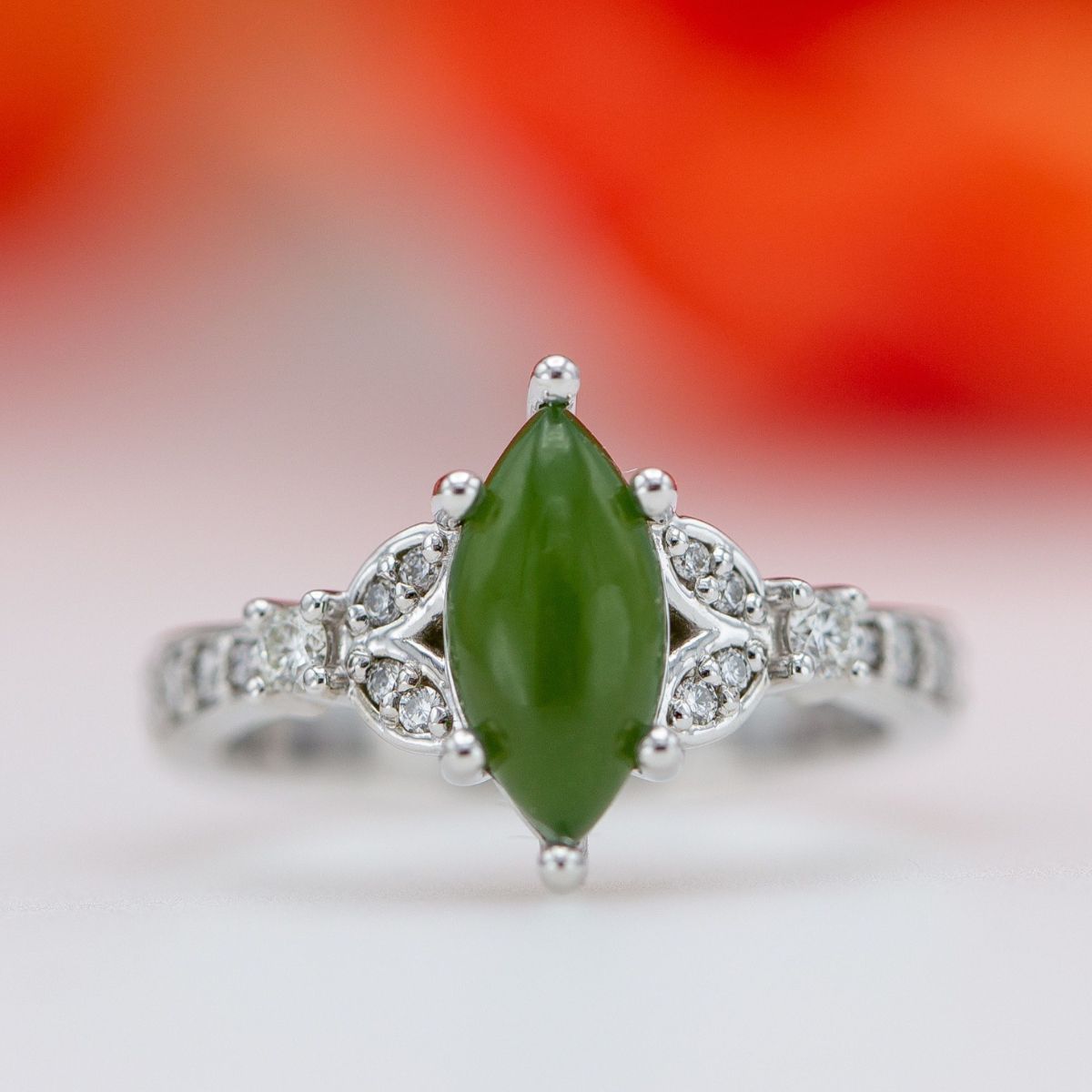
Toughness refers to how well a gem resists chipping, cracking, or cleaving. Gemologists will often highlight jade, which doesn't have a very high hardness and can be scratched, but which is extremely difficult to break. By contrast, a diamond's crystal structure is more likely to cleave on impact, especially when it's cut into a shape with vulnerable points or corners.
- Stability speaks to a gem's resistance to chemicals, temperature changes, moisture, and light. Some gems are more susceptible to damage, color change or loss, or other deterioration when exposed to these.
Why do we highlight all three of these factors? The main thing we'd encourage you to take away is that hardness is not the only measure of durability. Let's take a look at just a few examples:
Cubic Zirconia
Cubic Zirconia has a relatively high hardness of 8 - 8.5 on the Mohs scale. This would suggest a higher wearability grade, but CZ is porous and absorbs oils, grit, and chemicals that dull the stone's appearance over time. As a result, we give it a "Good" wearability grade.
Emerald
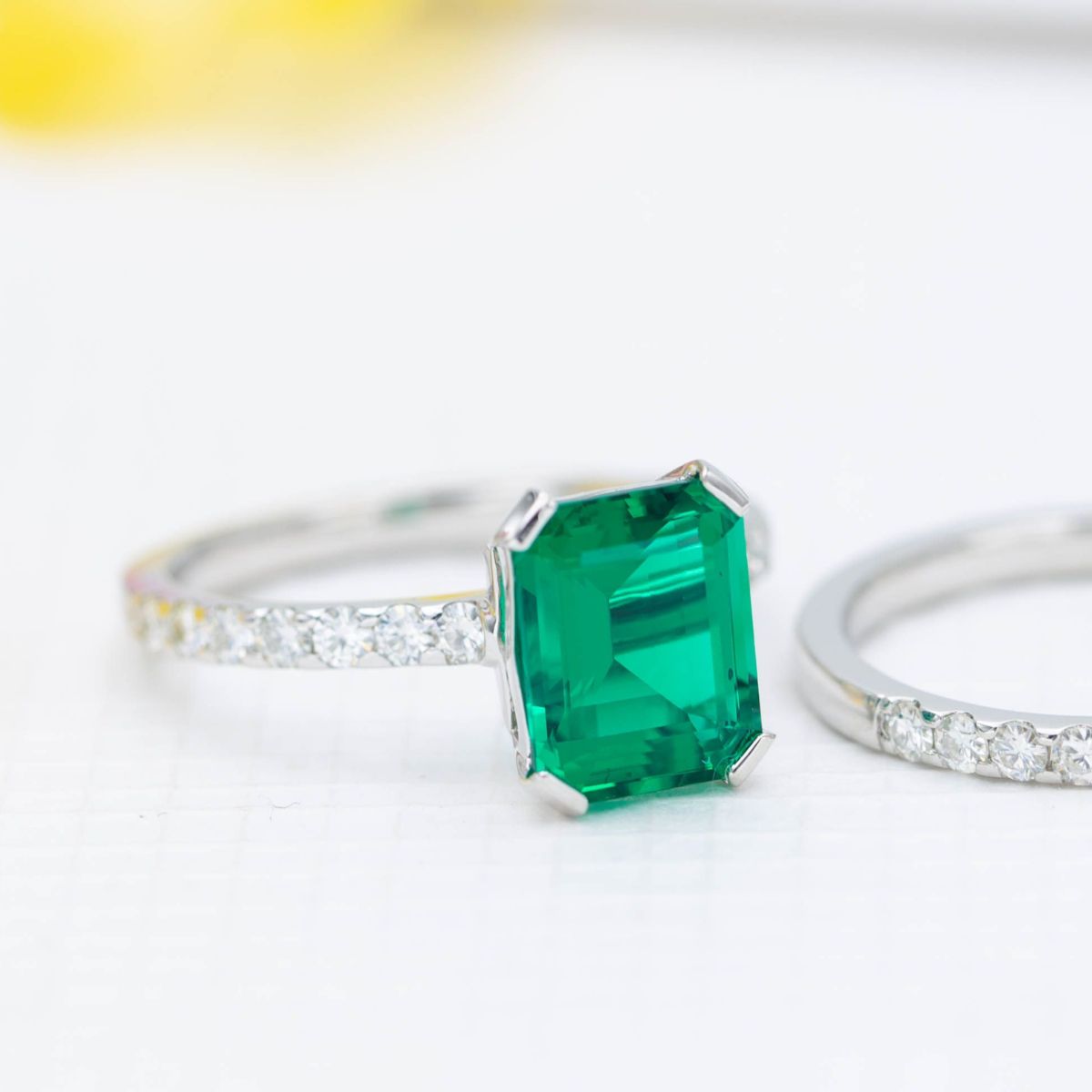
Emerald is just as hard as other beryls like morganite and aquamarine, which we consider "Very Good." So why does natural emerald get a "Delicate" grade? Natural emeralds often have significant inclusions and fractures. While these imperfections can be beautiful (in fact, the term jardin refers to the much-loved character this can give to emeralds), they can also make emerald significantly weaker and more likely to chip. Surface fractures are often filled with oil or resin, and these will wear away in time, requiring further treatment. All of these combine to make natural emeralds a more "Delicate" choice. By contrast, lab-created emeralds are considered "Very Good" because they lack the natural imperfections and are more durable as a result.
Topaz
Topaz has a hardness of 8 and earns a grade of "Very Good." In its natural form, that is. These come in various shades of blue, as well as the beautiful yellow, brown and pink of precious, imperial topaz. But there are now a nearly endless number of topaz colors available (e.g. mystic topaz), which are created by coating the surface of the topaz with a thin layer of color. While beautiful, this surface treatment can scrape or wear away over time, so we consider these coated topaz varieties to be "Delicate."
Garnet and Opal
Not all stones of the same type are alike. For example, there are many varieties of garnet which straddle the line between "Good" and "Very Good" on our scale. The more popular varieties (e.g. the very popular red Mozambique garnet) are more durable and get a "Very Good" grade, while some of the less common varieties (e.g. hessonite garnet) are just a bit softer and we grade them "Good." Similarly, opal is always considered delicate, but there are differences in durability between Australian and Ethiopian opals.
All gems come with some risk — even diamonds can chip. Fine jewelry requires a bit of care, and you'll want to treat your gem with care whether it's as hard as a diamond or a more delicate opal.
Choosing your gemstone
It might seem obvious, but you should start with what you like. And then consider whether you're comfortable with the durability characteristics of the gem you have your eye on. If the gem you're considering isn't listed above, just send us a message to ask.
You might even want to think of price as another factor in the wearability formula. When you've considered work and lifestyle, how the gem will be worn, and your personal sense of risk, you might find you prefer a less expensive and less durable gem that you'll replace from time to time. It's a personal decision, and we don't believe there's any clear-cut right or wrong choice. Our goal is to make sure you have everything you need to make a confident choice.
About CustomMade
CustomMade designs and creates one-of-a-kind, custom engagement rings and fine jewelry. Each piece we create is inspired by you, designed for you, and made just for you.