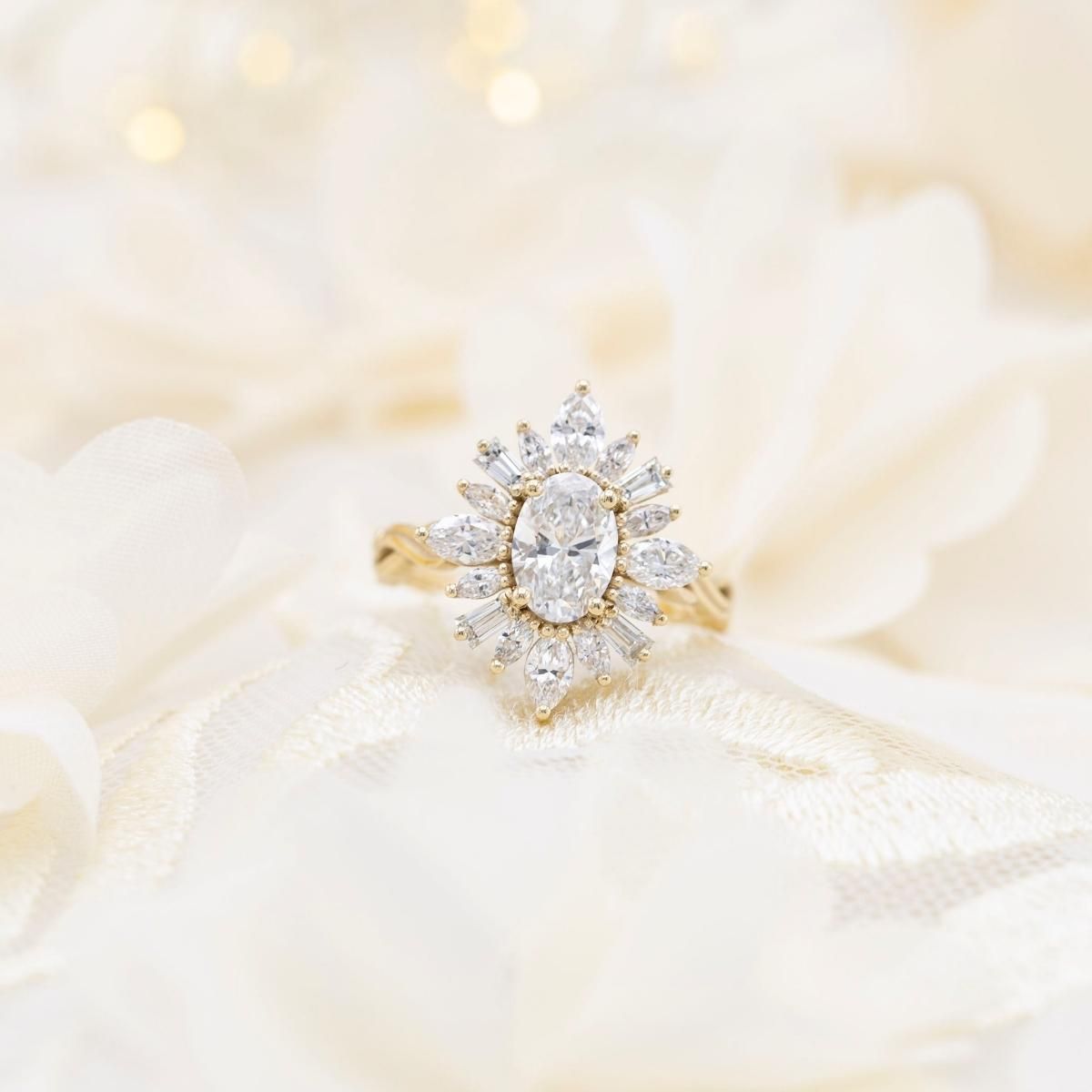
Choosing a lab diamond for your engagement ring: yes or no?
Should you choose a lab or natural diamond? It’s a question that many couples ask themselves when starting their search for the perfect engagement ring, and we know there can be a stigma around lab diamonds not being “real”.
But, in reality, lab diamonds are indistinguishable from natural stones, and they provide incredible beauty, durability, and sparkle at a fraction of the cost compared to their nature-made counterparts. They can be the common bright white or a multitude of colors, come in all shapes and sizes, and complement even the most intricate settings. But is a lab diamond the right stone for you? We're here to demystify lab diamonds and answer all of your questions about the man-made version of this stone. Let’s take a look at the finer points of lab diamonds and the top reasons to choose one for your engagement ring.
Reasons to choose lab diamonds
They’re (almost) exactly the same as natural diamonds
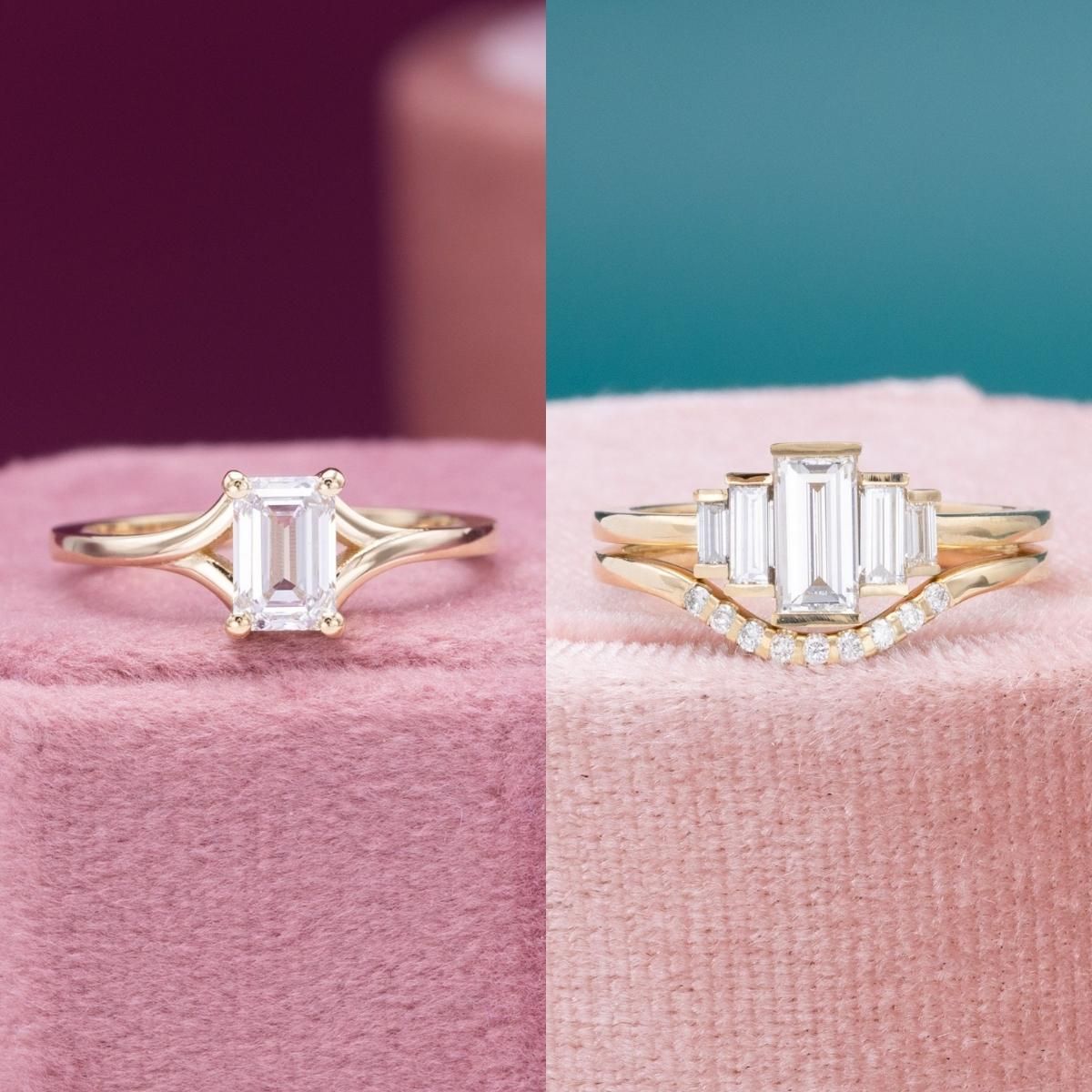
Lab diamonds are–as their name implies–diamonds. And why do people love diamonds? Do we really even have to ask? Like moths to a flame, many brides are immediately drawn to the sparkling, classic look of a diamond ring, and these stones have a colorless appeal that fits any aesthetic.
A diamond’s sparkle is iconic, so it’s no surprise that it continues to be the top choice for engagement rings! Faceters maximize a diamond’s fire, brilliance, and scintillation to create that swoon-worthy white sparkle with colorful flashes. Plus their orderly carbon structure is built to last forever, which is a lovely symbol for the enduring love and promise associated with marriage.
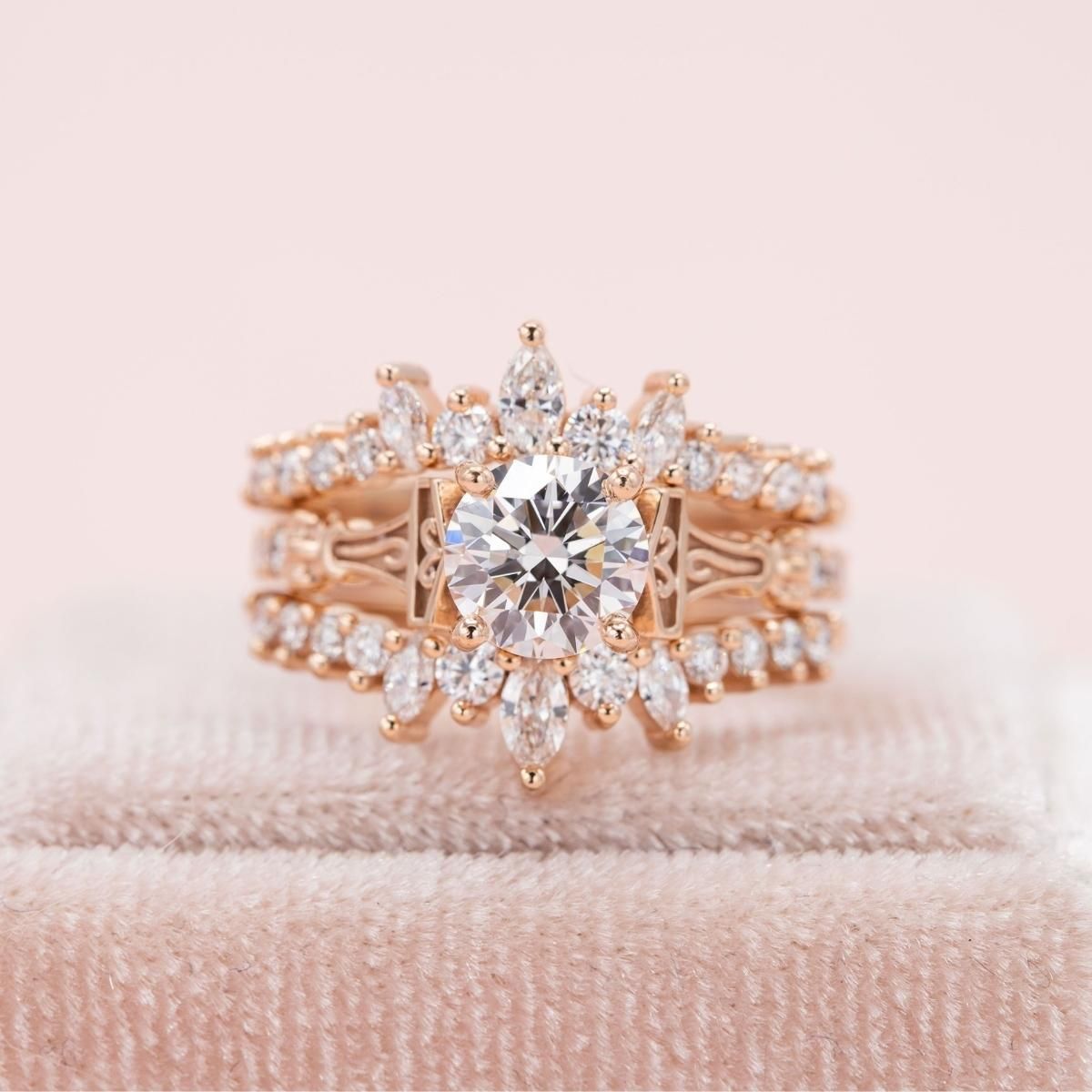
Lab diamonds are physically, chemically, and optically identical to natural ones, and many couples fall in love with lab diamonds for their identical sparkle, durability, and versatility. The easiest way to conceptualize lab and natural diamonds is to think of them as ice. Natural diamonds are like the ice on a pond, and lab diamonds are the ice in your freezer. They’re exactly the same thing, but one’s just easier to reach for when you want to make margaritas (or a diamond engagement ring)!
But if they're the same, why isn't everyone choosing a lab diamond? Different strokes for different folks, and for some it's less about the look of the stone but more so the meaning and where it came from. While some couples admire how experts can create high-quality lab diamonds in a controlled environment at a much faster pace, other couples find the complex journey of a natural diamond from Earth’s crust to their engagement ring rather romantic! In the end, choosing a lab or natural diamond is a personal choice.
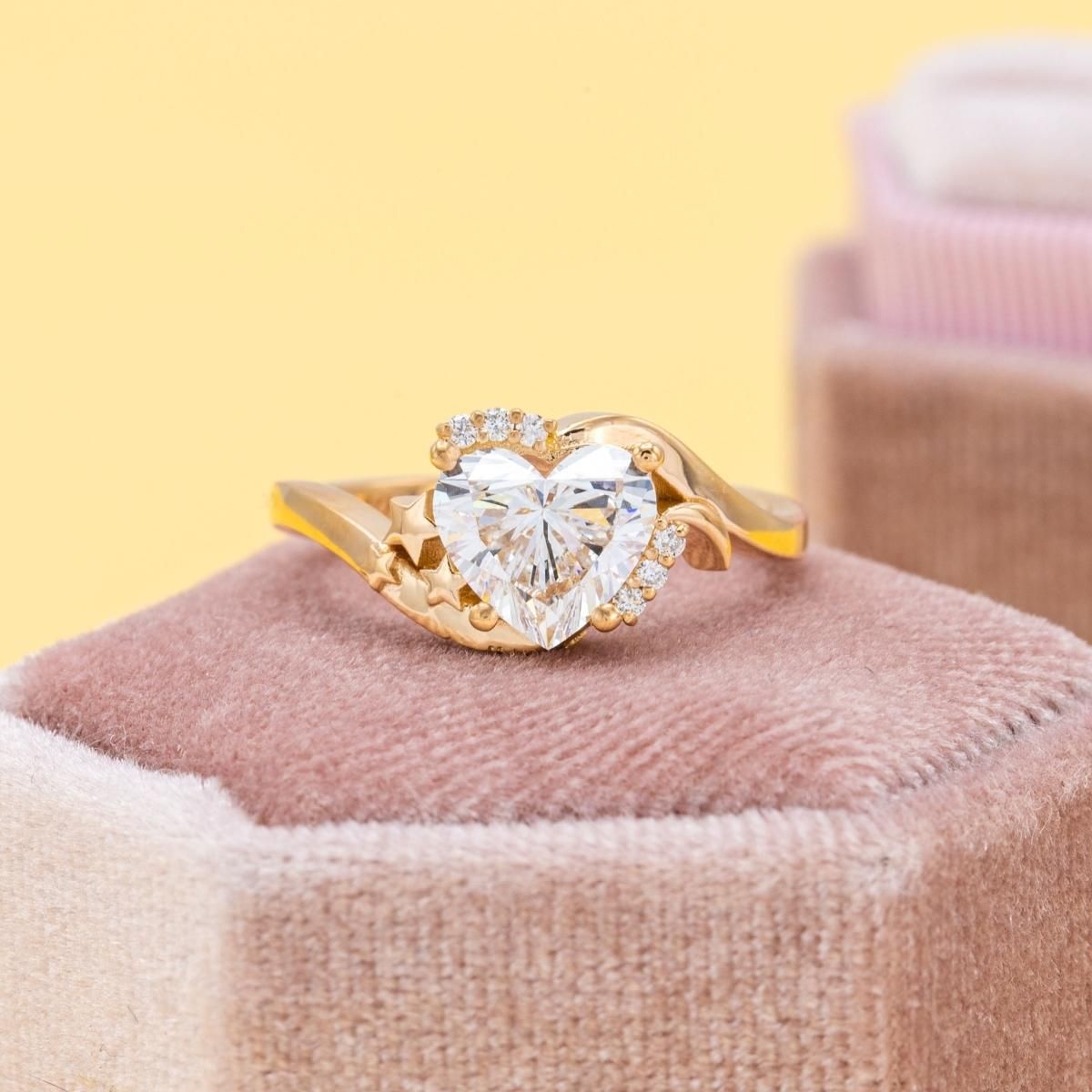
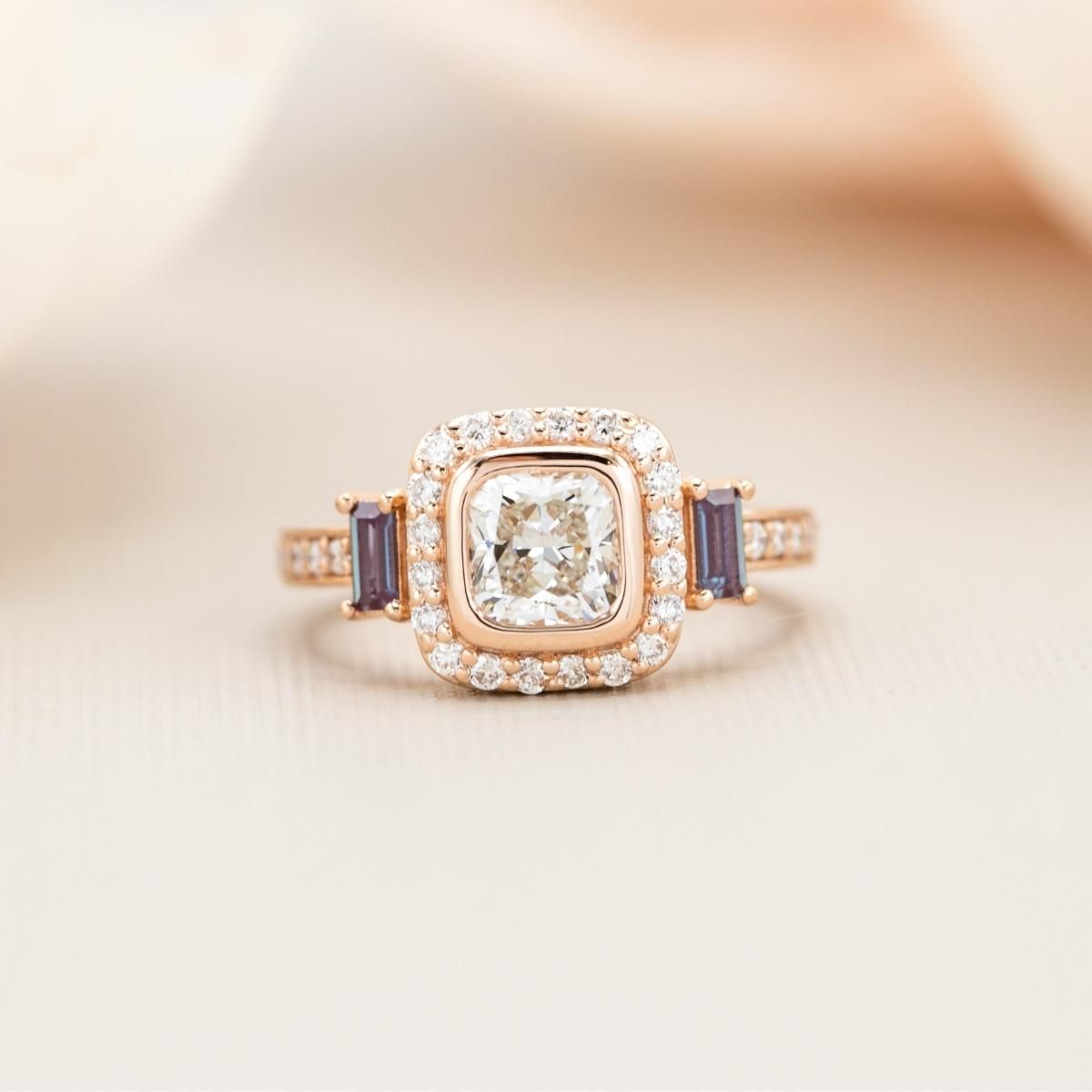
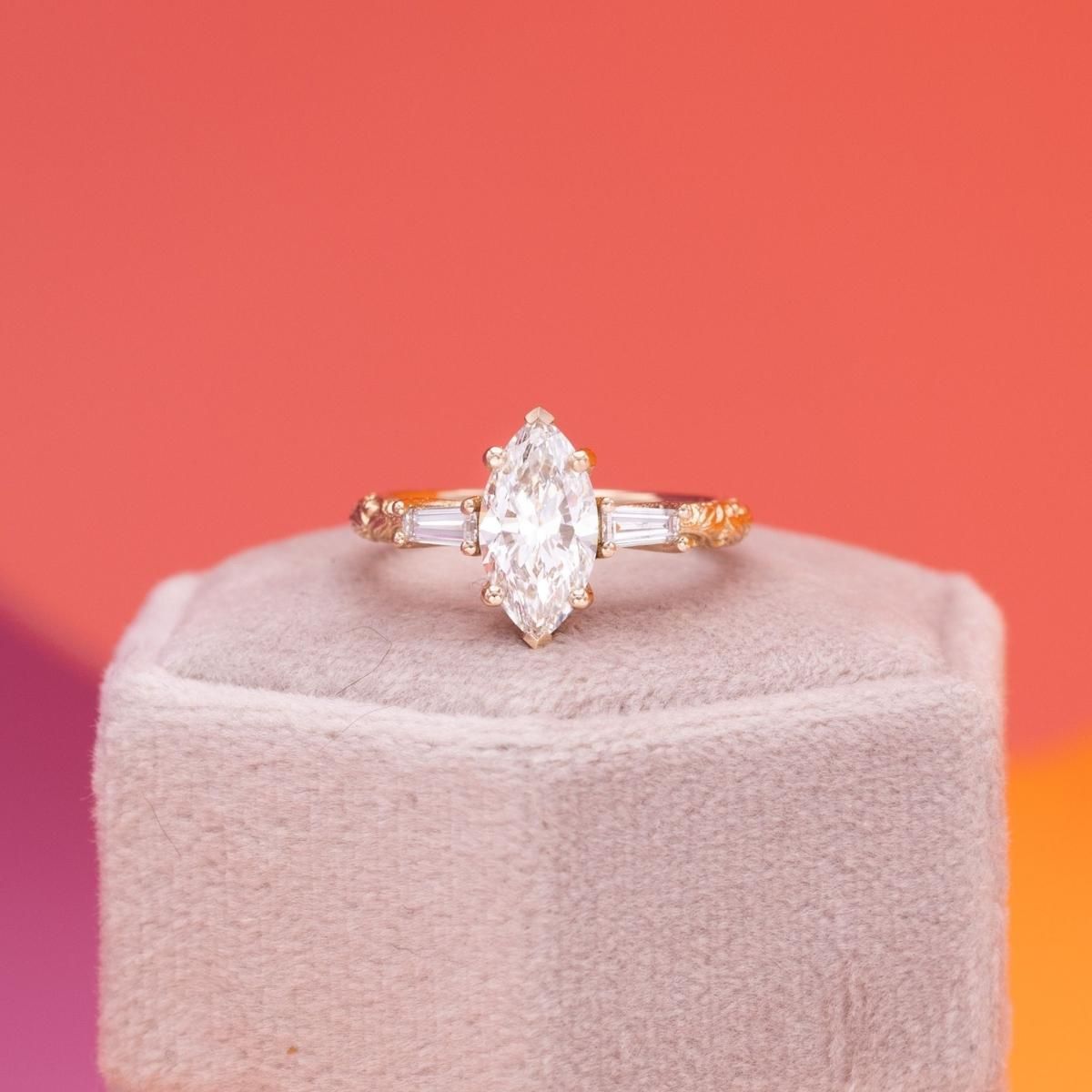
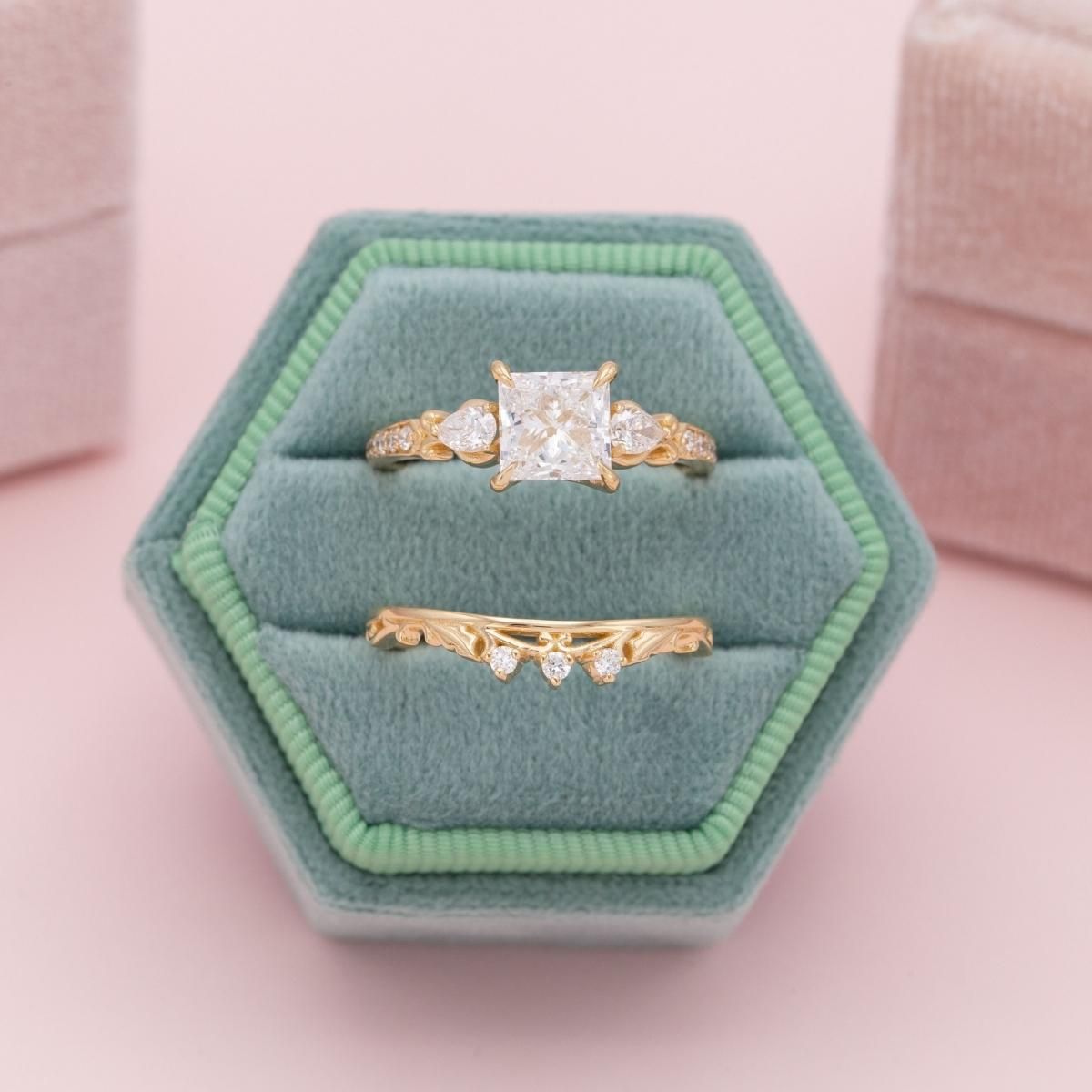
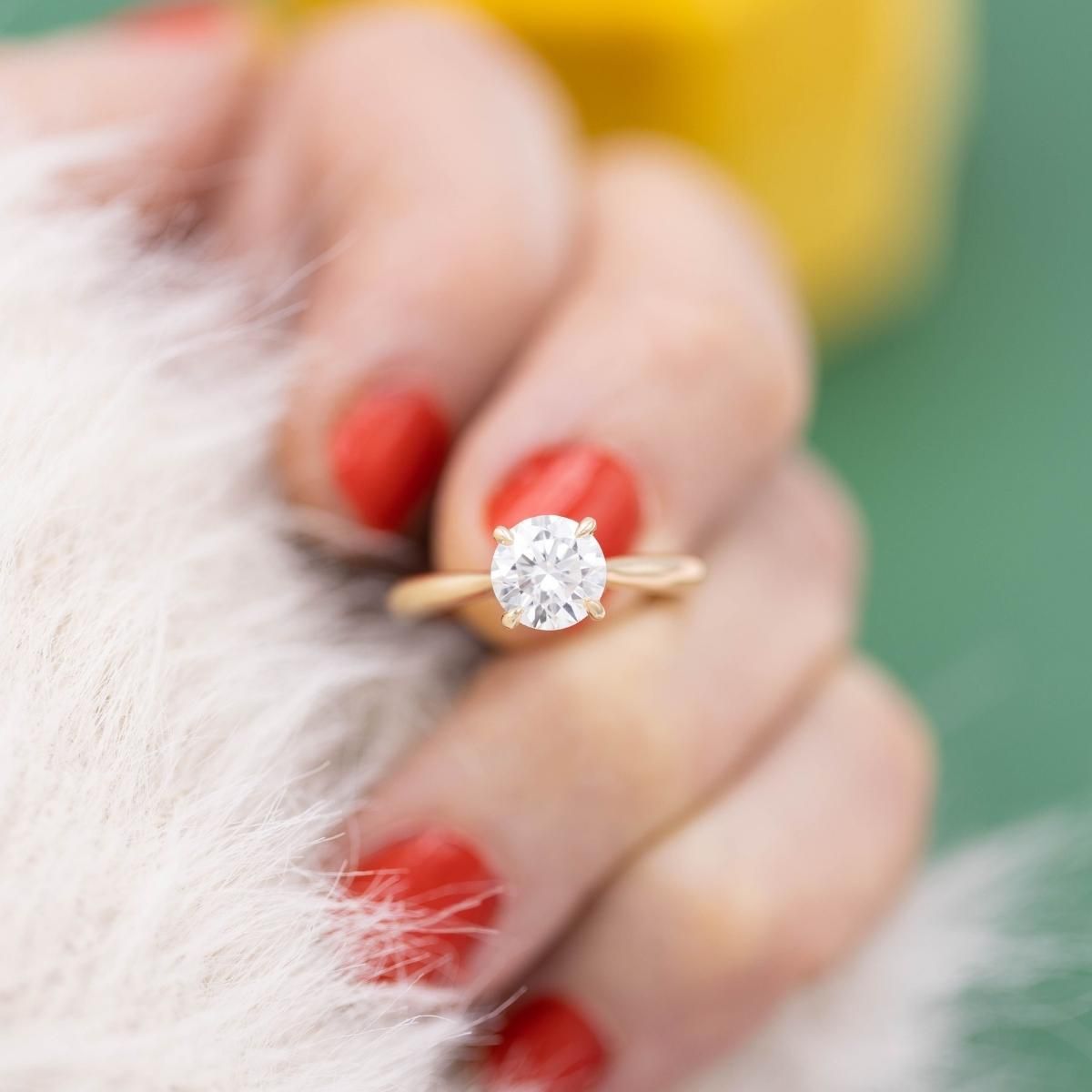
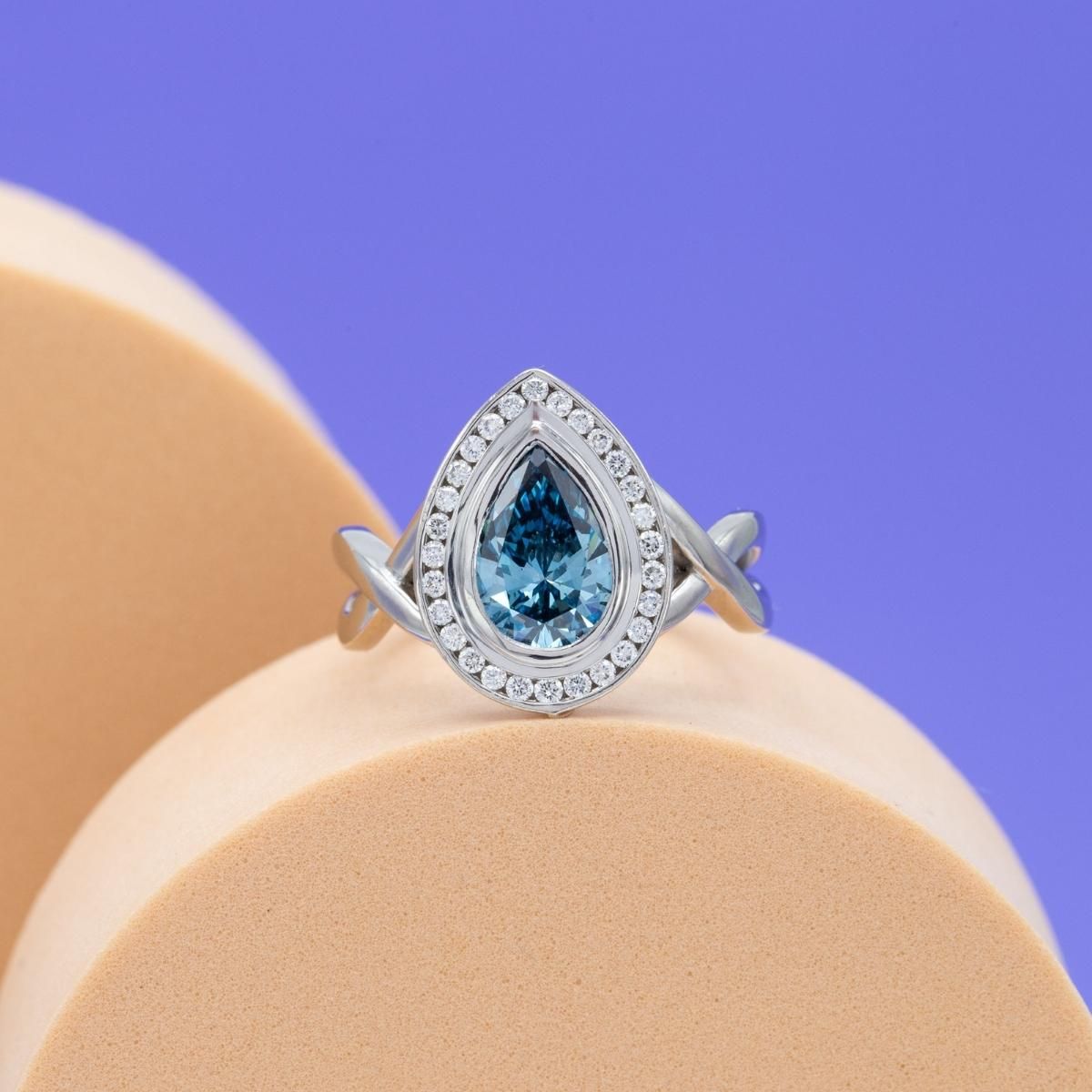
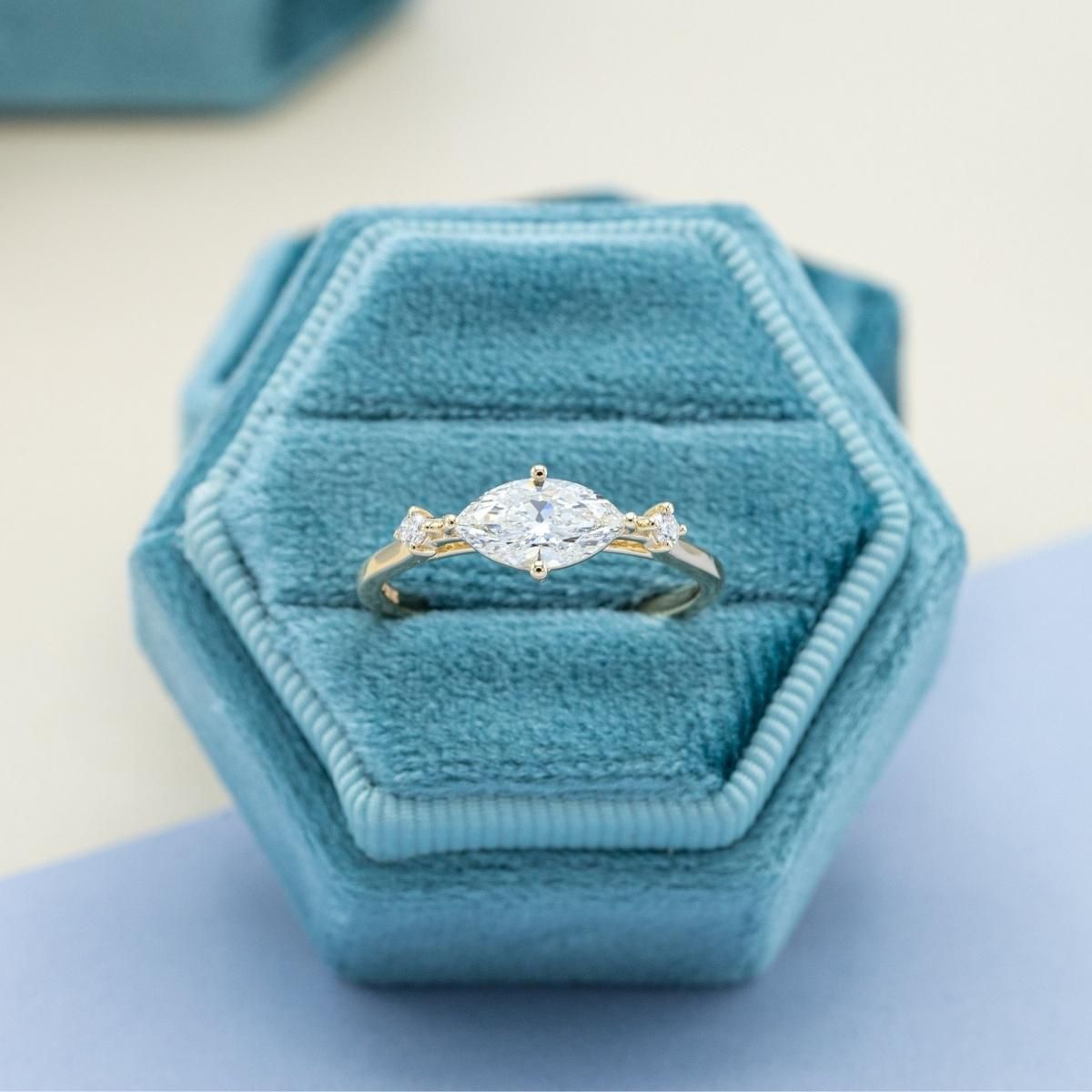
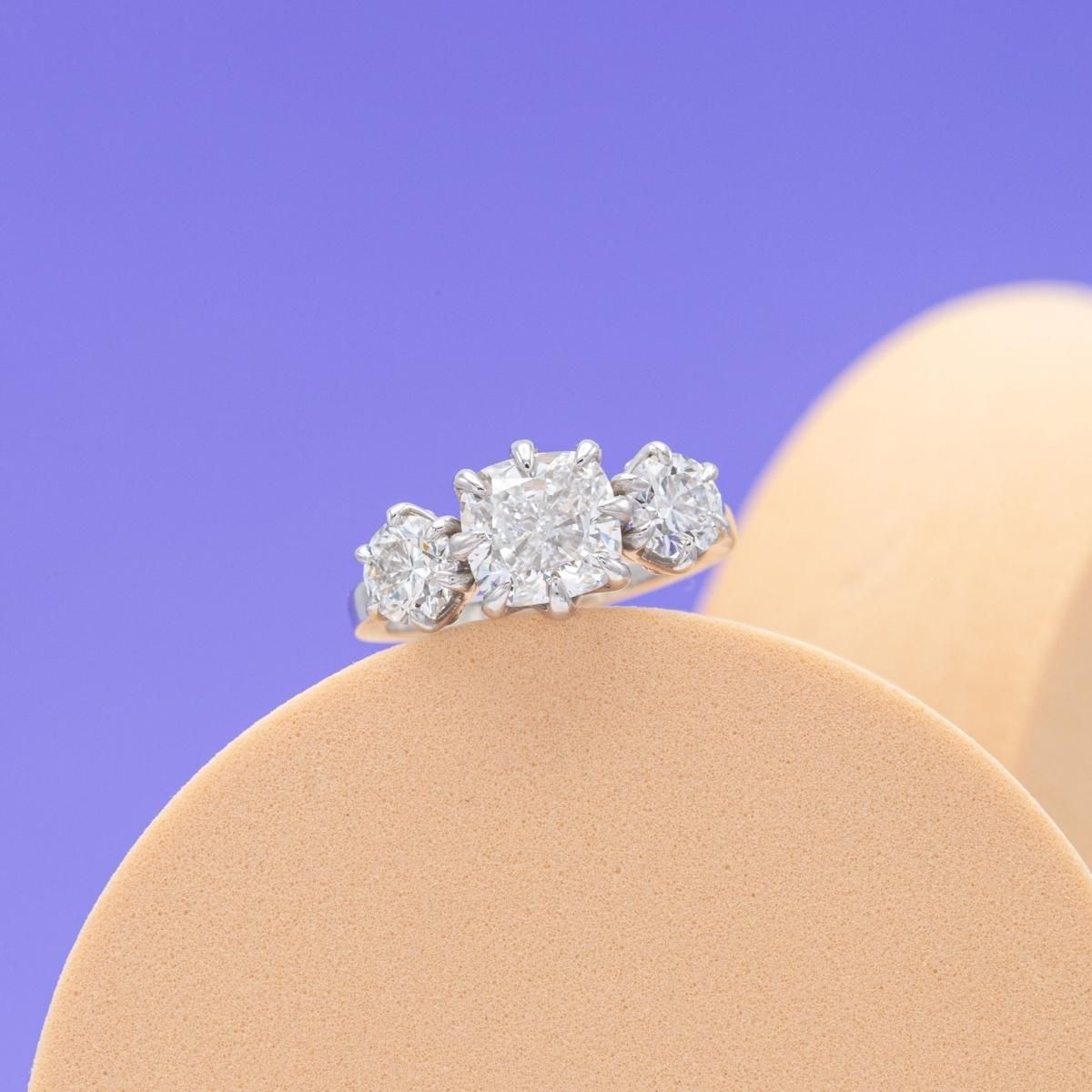
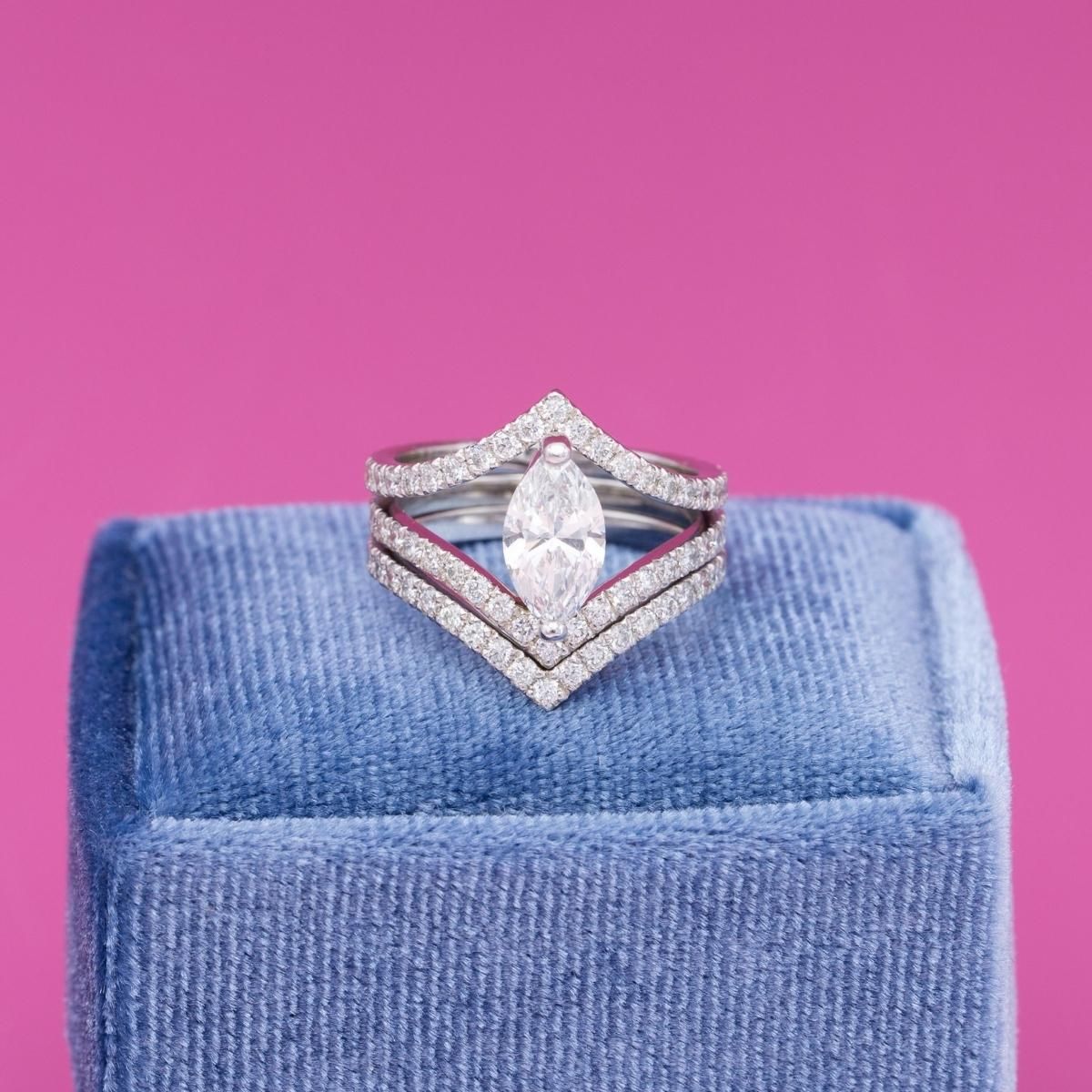
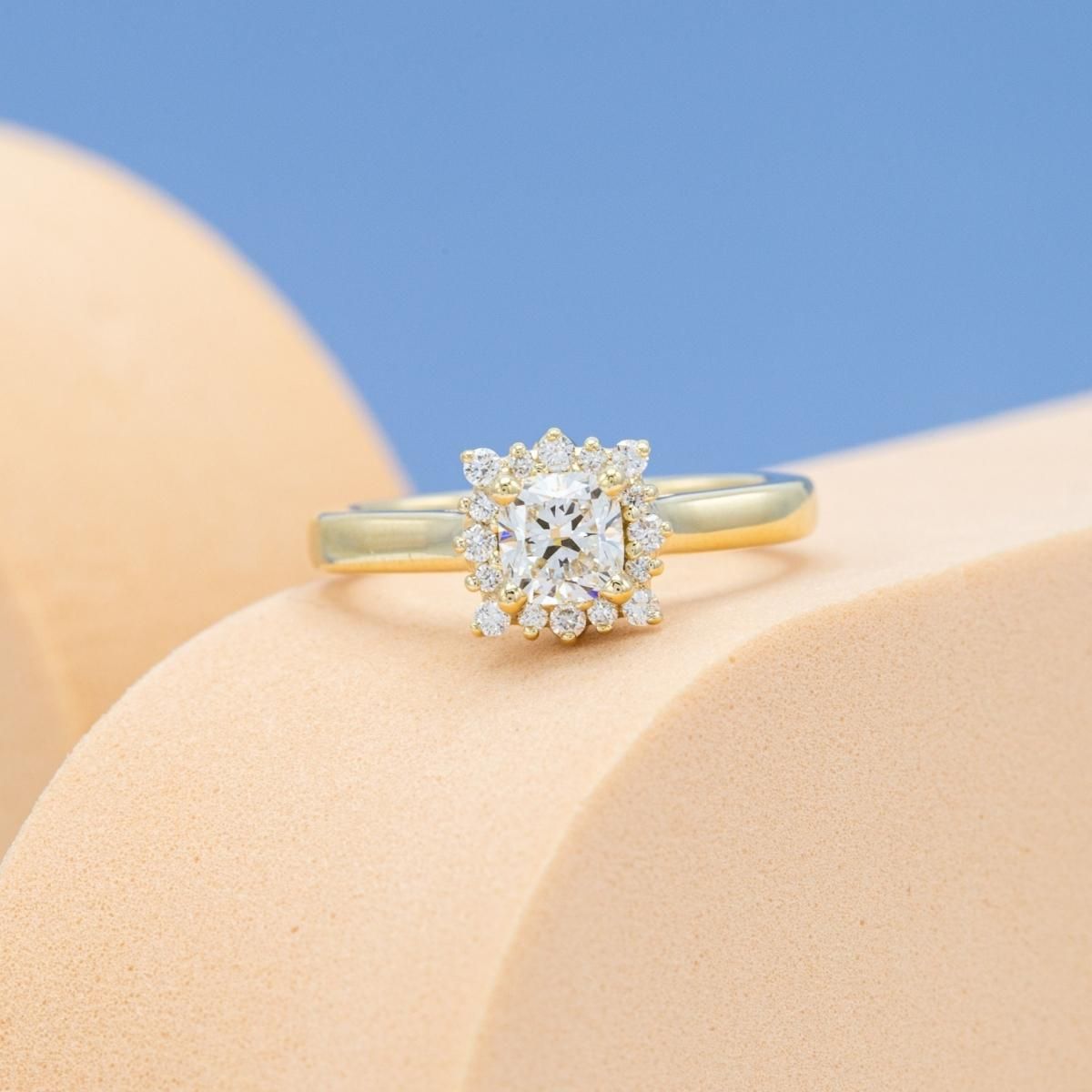
Just for fun, see if you can spot the lab and natural diamonds. Spoiler alert: you won’t be able to tell the difference.
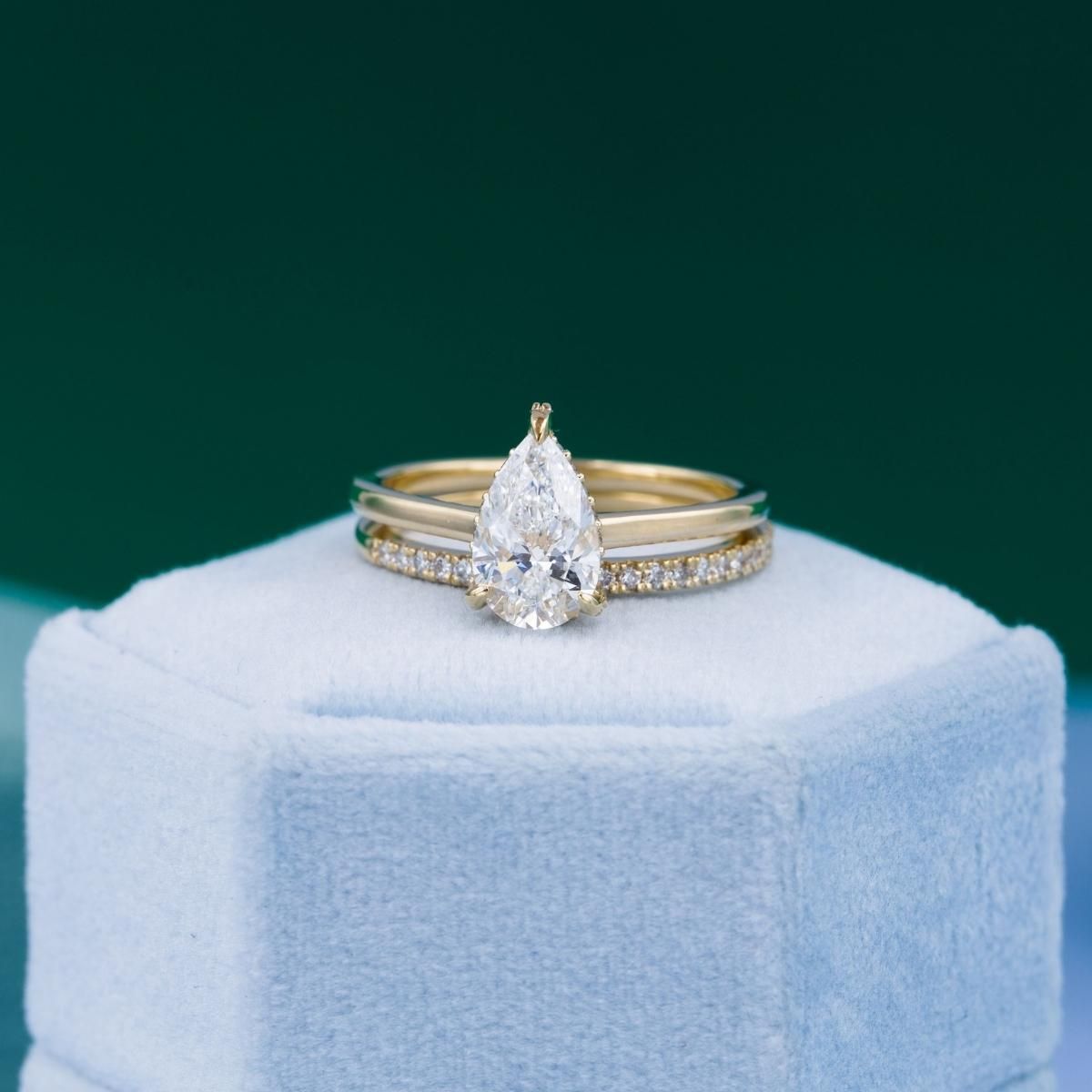
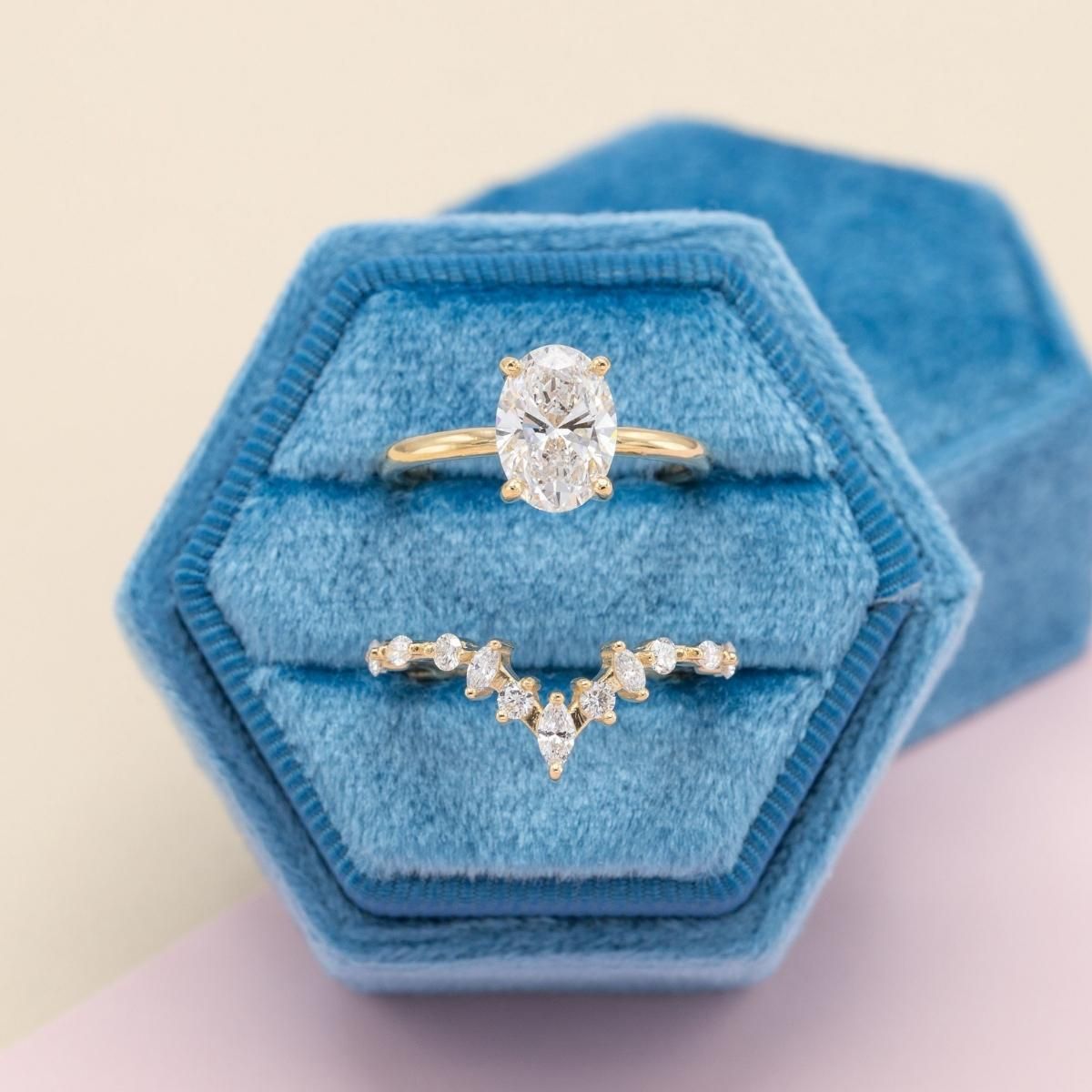
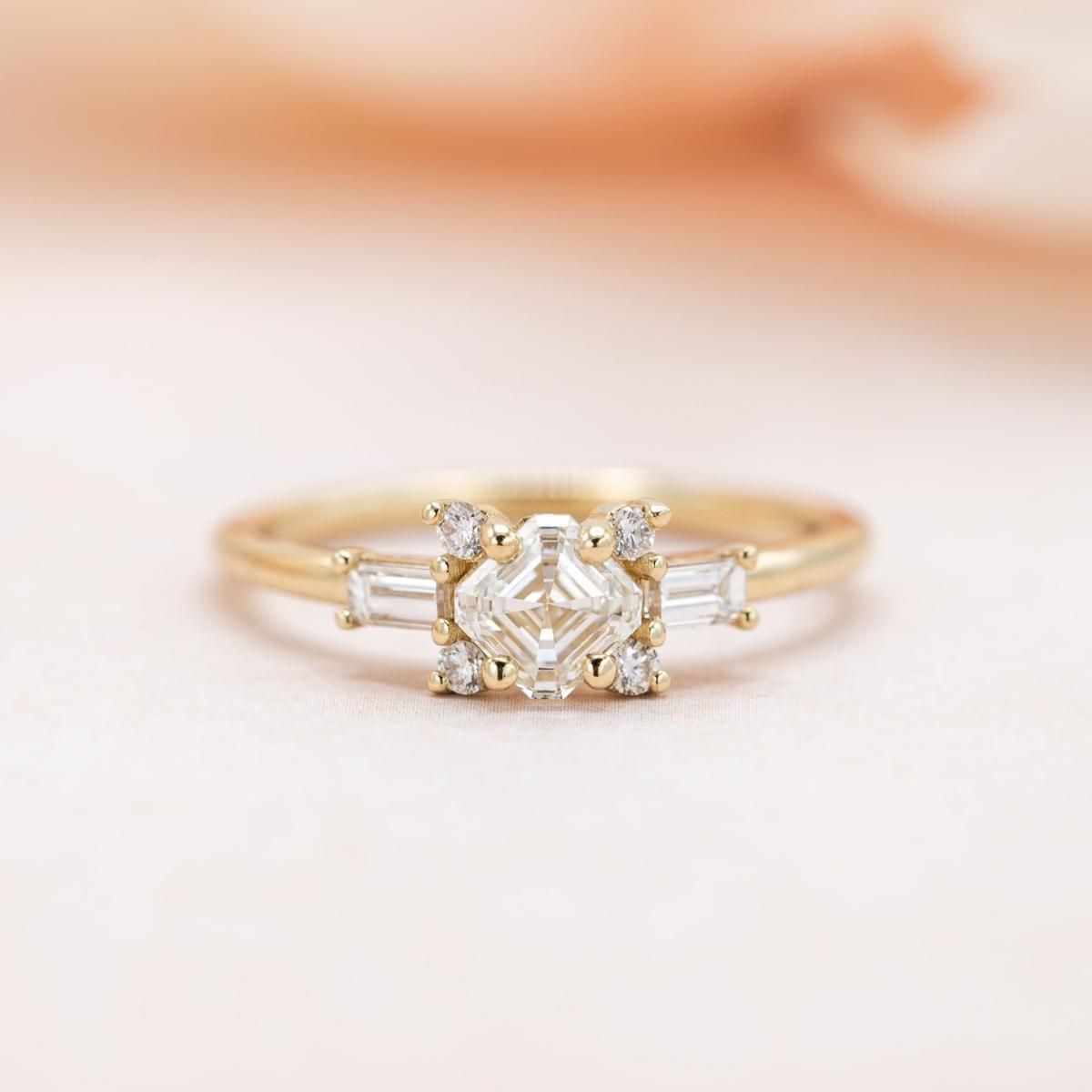
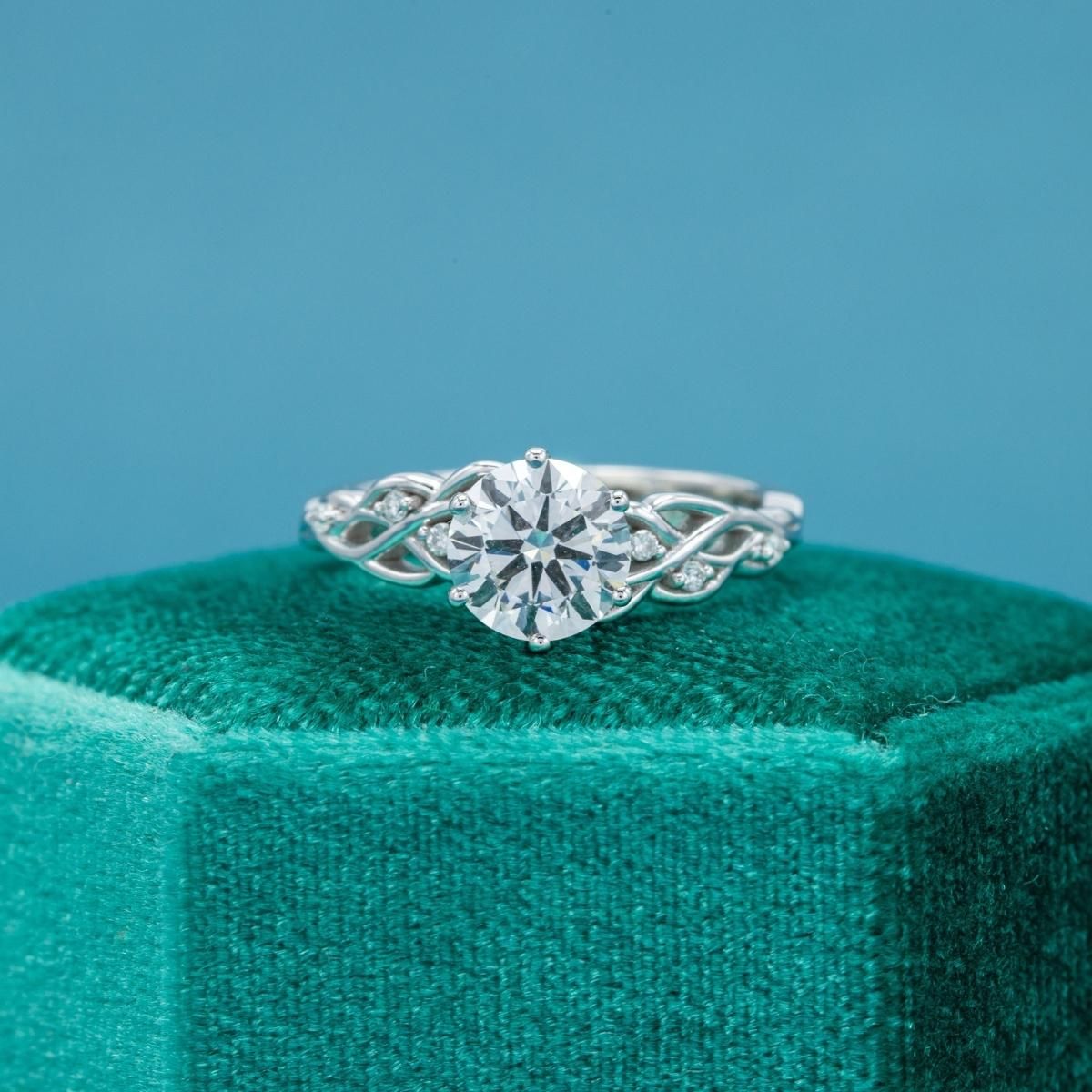
They’re reasonably affordable
While price may not matter to everyone looking for their dream diamond, it’s a big deal for those of us graduates still playing “Game of Loans”! A 1 carat lab diamond will cost roughly $450-$1,200, which means plenty of wiggle room for some serious ring upgrades. For comparison's sake, a similar natural diamond will cost you around $4,000-$9,000.
That’s right, opting for a lab diamond means you can upgrade your stone for less: enhancing the quality or size of your chosen diamond or adding more accent stones and design elements to your engagement ring on the same budget. Or, you could put that extra cash toward your venue, wedding bands, or even a dream honeymoon on a sandy beach (did someone say Bora Bora?!).
They’re extremely durable and scratch-resistant
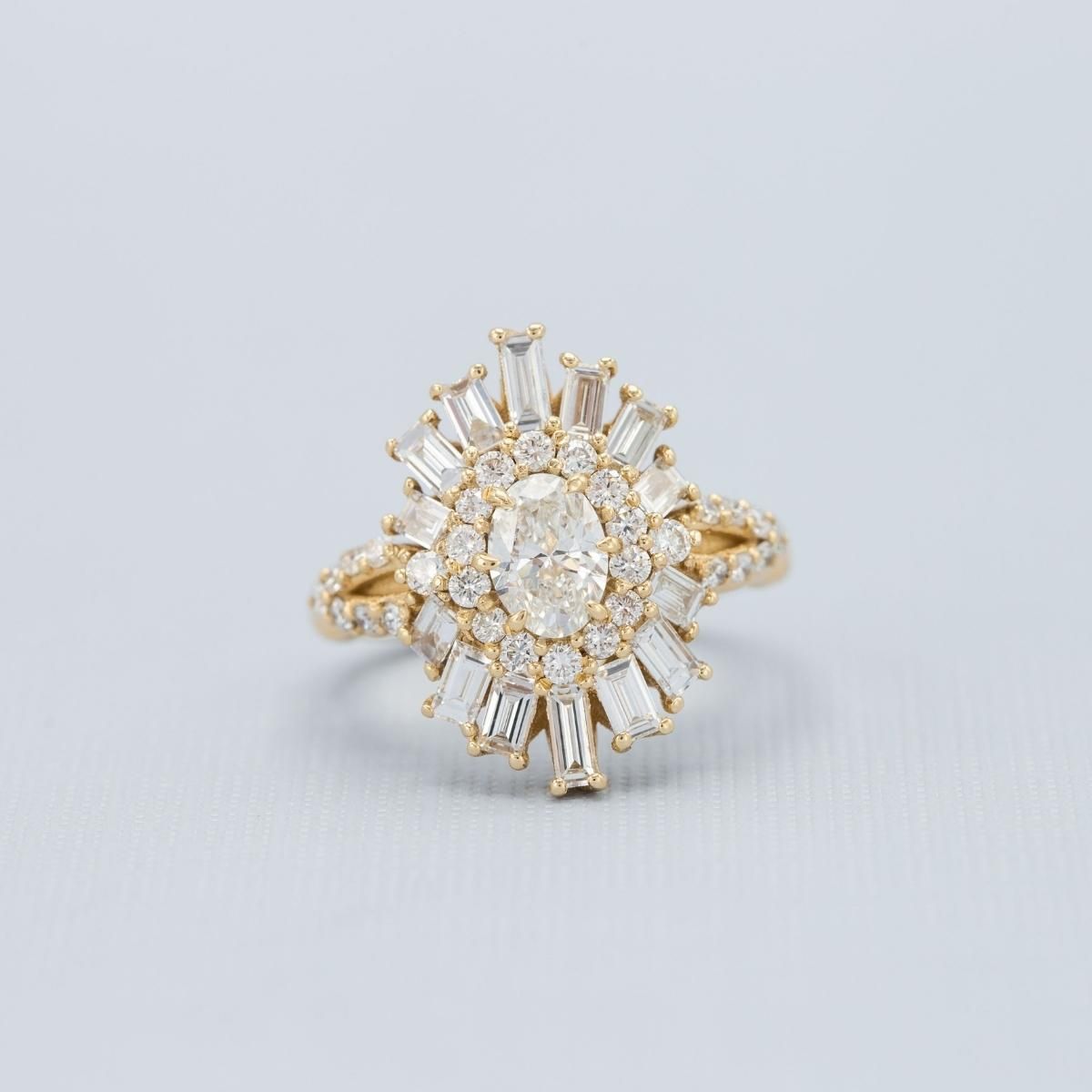
“A diamond is forever”: we’ve all heard it before. And whether you buy into this famous marketing slogan or not, it’s true that diamonds are the cream of the crop in terms of durability. Lab diamonds are no exception, and these sturdy stones have a strong, uniform structure that’s built to last a lifetime.
Experts use the Mohs scale of hardness to grade a gemstone’s durability, and possible grades range from 0 (the most delicate) to 10 (the hardest). Lab diamonds are a perfect 10, which is ideal for those of us who can’t go through a regular work day without banging our rings on desks, doors, counter tops, etc.
Lab diamonds are also very scratch resistant, so they can safely handle the inevitable scrapes and scuffs that come with daily life. You should still take your lab diamond engagement ring for routine cleanings and inspections every 6 to 12 months, but otherwise your ring is set to sparkle for decades to come. Shine on, you crazy diamond!